About The Eastern Dorrigo
The Eastern Dorrigo Plateau is an ancient landscape transformed
19 million years ago by the eruption of the Ebor Volcano. Massive flows of basaltic lava capped the landscape, creating a high-altitude tabletop of mineral-rich rock. This volcanic legacy left behind the deep, mineral-rich red soils that sustain its towering prehistoric Gondwana rainforests and lush pastures today.
Separated from the coast by the rugged Great Escarpment and carved by the high-rainfall headwaters of the Nymboida and Bobo rivers, the Eastern Dorrigo remained a secluded wilderness for millennia; the traditional lands of the Gumbaynggirr people. It was the unique combination of towering timber, reliable water, and unmatched soil fertility that eventually drew the first wave of cedar-getters and pioneers to the plateau, marking the beginning of the plateau’s colonial history.
Today, the Eastern Dorrigo is home to a community of around 600. While the historic villages of Lowanna and Ulong serve as our social hubs, the heart of the community extends through the farms and forests of Brooklana, Moleton, Timmsvale, Lower Bobo and Cascade.
This unique landscape and community spirit have shaped the Eastern Dorrigo—a history that continues to unfold.

History of The Eastern Dorrigo
The Eastern Dorrigo Plateau is Gumbaynggirr country, and we acknowledge the Traditional Custodians who have cared for this land for millennia. Their deep spiritual and physical connection to the landscape is woven into the ancient Antarctic Beech forests and clear mountain streams that define our home. Following early European arrival in the late 19th century, the region was transformed by the grit of pioneers who established the first selectors’ selections, carving a future out of the dense scrub and fertile highland soil.
For decades, the rhythmic sounds of the timber industry and the whistle of the Dorrigo branch railway line echoed through the valleys. Ulong, Lowanna, and Brooklana flourished as hubs for forestry, where the extraction of hardwoods drove the local economy. The railway was a vital lifeline, connecting our isolated peaks to the coast and turning quiet villages into bustling centres of trade and social life. As the forests cleared, the landscape shifted toward dairy farming and agriculture, creating the lush, rolling paddocks that characterise our plateau today.
Community life has always been the true anchor of Eastern Dorrigo. From the early days of bush dances and railway picnics to today’s local stores and hall gatherings, our strength lies in our neighbourly spirit. We are a close-knit population of families, farmers, and creatives who honor our shared heritage—from the legacy of the timber cutters to the resilience of our modern community hub. The story of Eastern Dorrigo is one of endurance, natural beauty, and a deep-seated commitment to looking after one another.


Our Community Today
Over the years, the Eastern Dorrigo Plateau has become home to a vibrant and diverse community with a strong community spirit. The following figures provide a glimpse of our community through data collected in the 2021 Australian Census.
Census Overview
Total Population
616
Gender Diversity
Males: 54.9%
Females : 45.1%
52
Median Age
Children per Family
1.9
All Dwellings
355
Avg. Weekly Household Income
$994
Avg. Monthly Mortgage
$1,117
242
Median Weekly Rent
Avg. Vehicles per Dwelling
2
Census Highlights by Village


Lowanna
Total Population
359
Gender Diversity
Males: 53.3% · Females: 46.7%
Median Age
51
Children per Family
2.1
All Dwellings
197
Avg. Weekly Household Income
$820
Avg. Monthly Mortgage
$1000
Median Weekly Rent
$300
Avg. Vehicles per Dwelling
2.0
Ulong
Total Population
215
Gender Diversity
Males: 55.5% · Females: 44.5%
Median Age
48
Children per Family
2.3
All Dwellings
124
Avg. Weekly Household Income
$974
Avg. Monthly Mortgage
$1166
Median Weekly Rent
$275
Avg. Vehicles per Dwelling
1.9
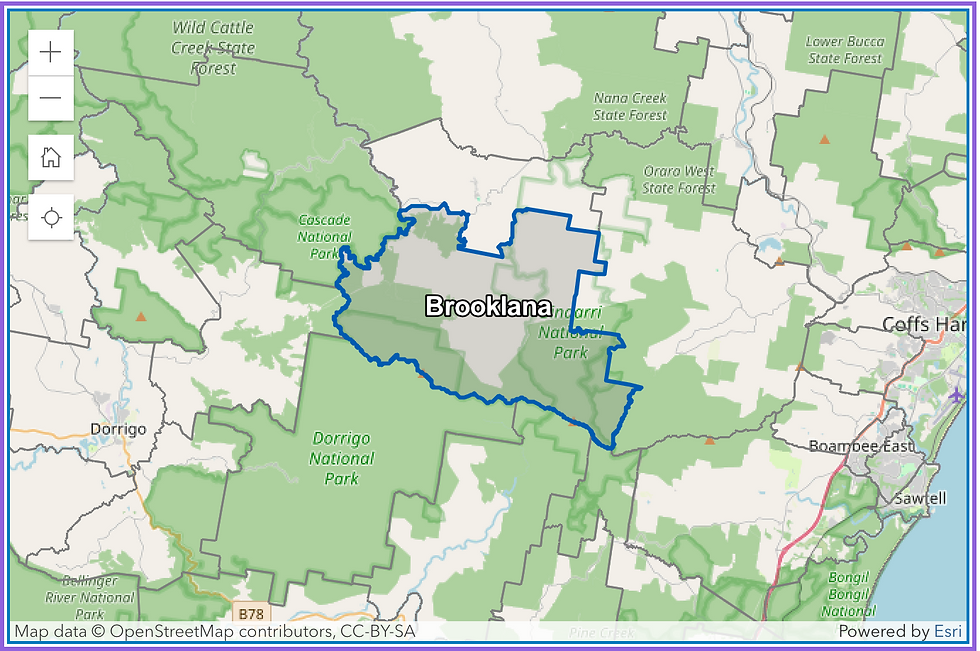
Brooklana
Total Population
42
Gender Diversity
Males: 55.8% · Females: 44.2%
Median Age
57
Children per Family
1.6
All Dwellings
34
Avg. Weekly Household Income
$1187
Avg. Monthly Mortgage
$1184
Median Weekly Rent
$150
Avg. Vehicles per Dwelling
2.1